

In today’s fast-moving construction landscape, some of the most challenging projects are not built on empty sites, but within active, operational environments. From hospitals and schools to commercial offices, aged care facilities and industrial sites, delivering construction works while people continue to live, work and operate nearby requires a highly considered approach.
Successfully managing these projects comes down to far more than construction capability alone. It demands careful planning, clear communication, flexibility and a strong understanding of how to minimise disruption without compromising on quality, safety or timelines.
At the core of every successful live environment project is an understanding that construction is only one part of the equation. Builders must also consider the people occupying and using the space every day.
The ability to deliver safe, efficient and well-coordinated projects while minimising disruption is what separates experienced live environment contractors from traditional construction teams.
With the right planning, communication and delivery approach, even highly complex construction projects can be completed safely, efficiently and with minimal impact on ongoing operations.
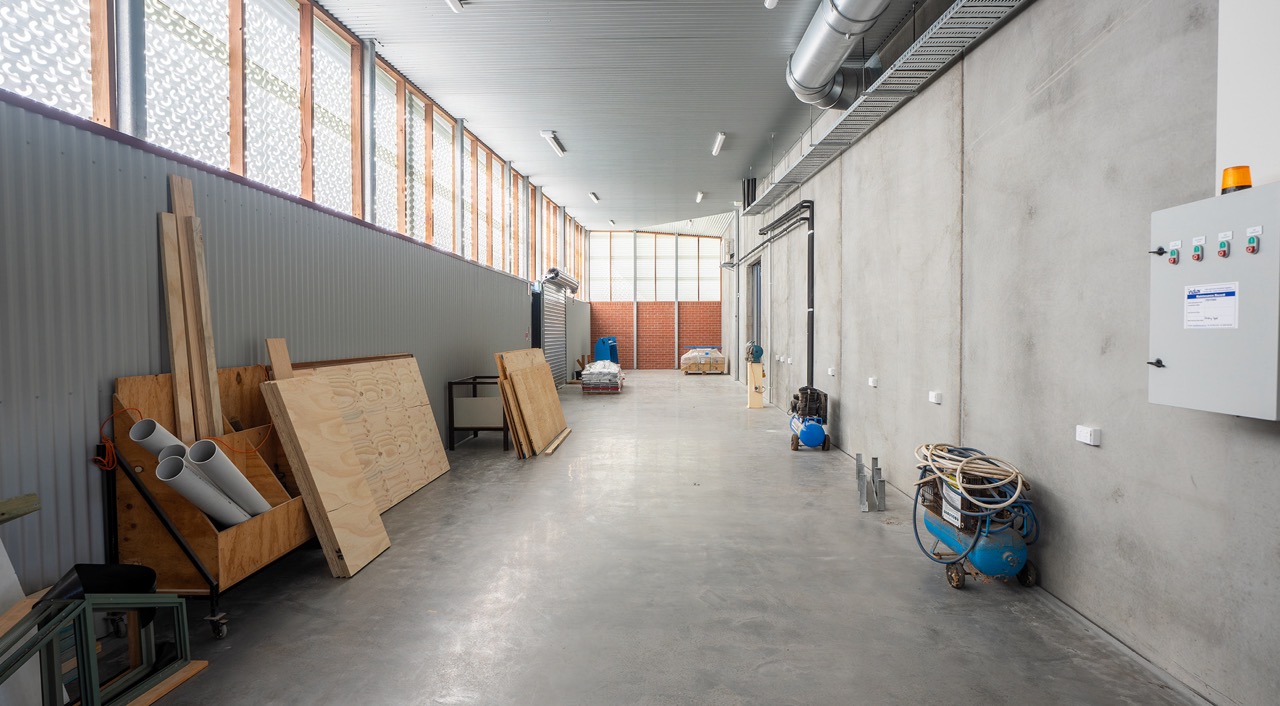
A live environment project refers to construction works completed within a facility or site that continues to operate during the build.
These projects often involve:
Unlike traditional construction sites, live environments require a much higher level of coordination between contractors, consultants, stakeholders and operational staff. Construction teams need to understand how the building functions day to day and adapt their workflows accordingly.
For example, in healthcare environments, maintaining uninterrupted access for emergency services can be critical. In commercial offices, noisy works may need to be restricted to evenings or weekends. In schools, contractor access and safety procedures often need to align with student movement throughout the day.
Because construction takes place alongside normal operations, builders must carefully manage disruption while maintaining project timelines, safety standards and productivity onsite.